What is DNSSEC and why is it important?
The internet is part of our daily lives, but have you ever wondered how your browser knows where to find the websites you visit? This is made possible through something called the Domain Name System (DNS). DNS works like a phone book, translating the web addresses you type into your browser into numbers, known as IP addresses, that computers use to find each other.
But what happens if someone interferes with this system? This is where DNSSEC comes in. Let’s break it down so it’s easy to understand.
What is DNSSEC?
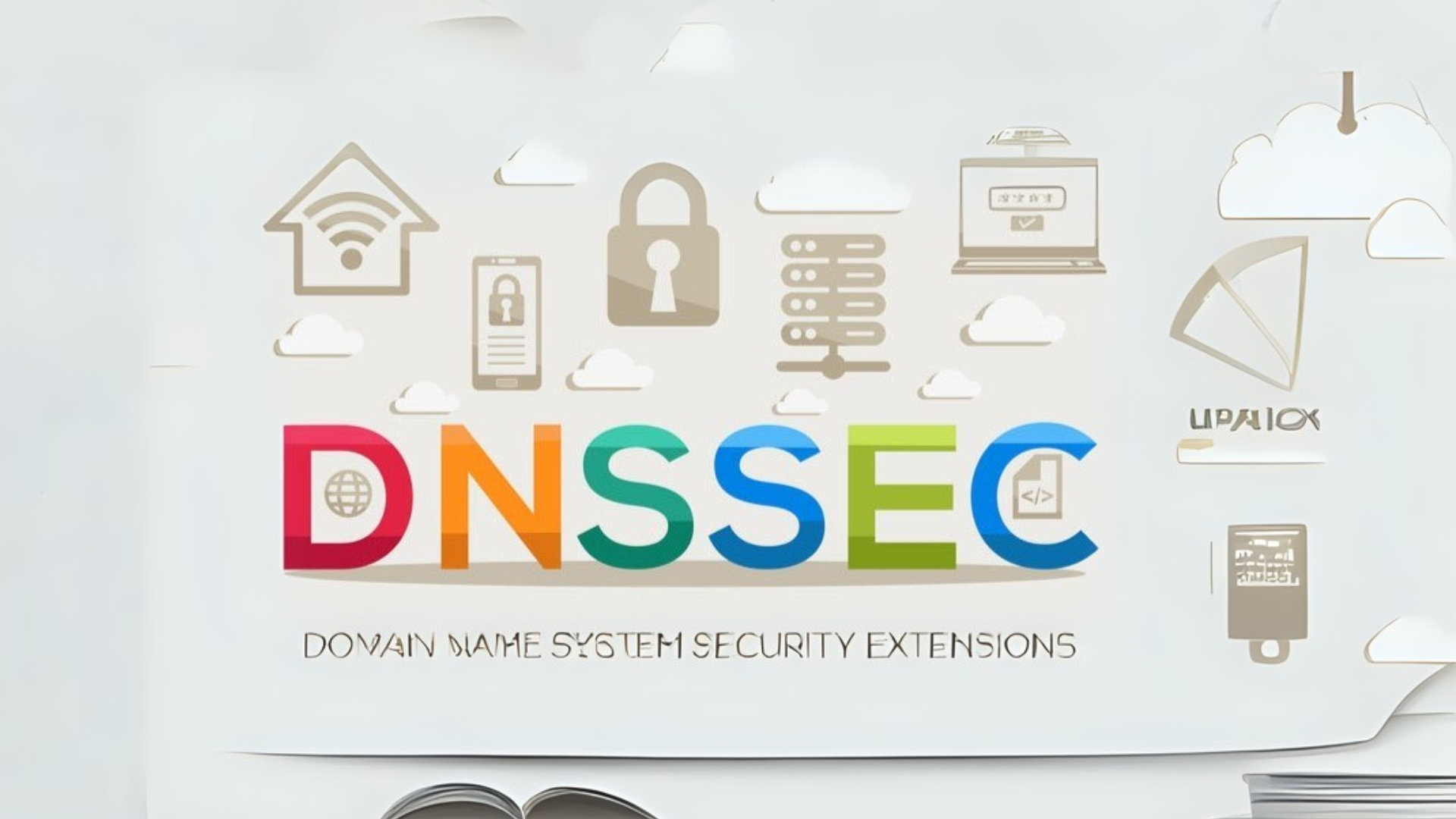
DNSSEC stands for Domain Name System Security Extensions. It’s a security measure added to the DNS to make it more secure. Think of it as a lock on a door that ensures only the right people can come in.
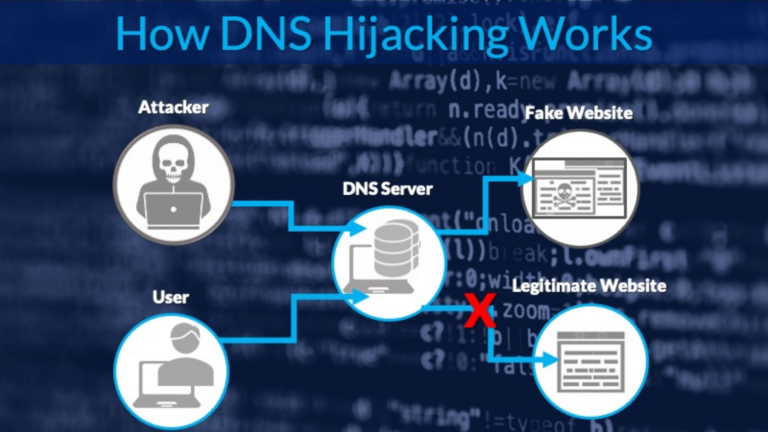
When you visit a website, your device asks the DNS for the IP address of that site. Without DNSSEC, someone could pretend to be the DNS and send you to a fake or malicious website. DNSSEC helps prevent this by verifying that the information you get is correct and hasn’t been tampered with.
How Does DNSSEC Work?
Here’s a simple explanation of how DNSSEC keeps things safe:
- Verification: When DNSSEC is enabled, it adds a digital signature to the DNS records. This signature is like a stamp of approval that proves the information is authentic.
- Validation: Your device checks the signature to make sure it matches. If it does, the information is trustworthy. If it doesn’t, your device will reject the information.
- Chain of Trust: DNSSEC works through a hierarchy, starting with the root servers of the DNS system. Each level verifies the level below it, creating a chain of trust.
Why is DNSSEC Important?
DNSSEC matters because it helps protect you and others from attacks on the DNS. Here are some key reasons why it’s important:
- Prevents Fake Websites: Without DNSSEC, attackers can trick you into visiting fake websites that look real. These sites can steal your personal information, like passwords or credit card details.
- Stops DNS Spoofing: DNS spoofing is when someone changes the DNS data to redirect you to a different website. DNSSEC makes it much harder for this to happen.
- Enhances Security: By verifying DNS information, DNSSEC helps keep the internet more secure for everyone.
Limitations of DNSSEC
While DNSSEC is an important tool, it’s not perfect. Here are a few things to keep in mind:
- Not All Domains Use It: DNSSEC isn’t mandatory, so not every website has it enabled.
- Doesn’t Encrypt Data: DNSSEC ensures the accuracy of DNS information but doesn’t encrypt your browsing activity. For full security, you still need HTTPS and other protections.
- Setup and Maintenance: Setting up DNSSEC can be complex, and errors in configuration can cause problems.
How to Check if a Website Uses DNSSEC
If you’re curious about whether a website uses DNSSEC, there are tools and browser extensions that can help. Some public DNS services, like Google Public DNS and Cloudflare, also support DNSSEC.
Final Thoughts
DNSSEC might sound technical, but its purpose is simple: to make the internet safer for everyone. By preventing attackers from tampering with DNS information, DNSSEC helps ensure you’re connecting to the real websites you intend to visit. While it’s not a complete solution for internet security, it’s an important step in the right direction.
https://akperbinalitasudama.ac.id/
https://akfisstlukastomohon.ac.id/
https://akbidjakartamitrasejahtera.ac.id/
https://akperpemkabacehtenggara.ac.id
https://aklpemprovsumsel.ac.id/
https://poltekkessbengkulu.ac.id/
https://akabidartakabanjahe.ac.id/
https://atrowidyadharma.ac.id/
https://akbidhafsyahmedan.ac.id/
https://akbidindahmedan.ac.id/
https://akbiddelhusdelmed.ac.id/
https://akperharapanmamadeliserdang.ac.id/
https://stmiktrigunapati.ac.id/
https://akbidikabinalabuhanbatu.ac.id/
https://akbidbungabangsaaceh.ac.id/
https://ejournal.akbidbungabangsaaceh.ac.id/
guiadenoivos.saojosedojardimeuropa.com.br
beyond.globalpranichealing.com/about/
ejournal.akbidbungabangsaaceh.ac.id