What is a reverse DNS lookup?
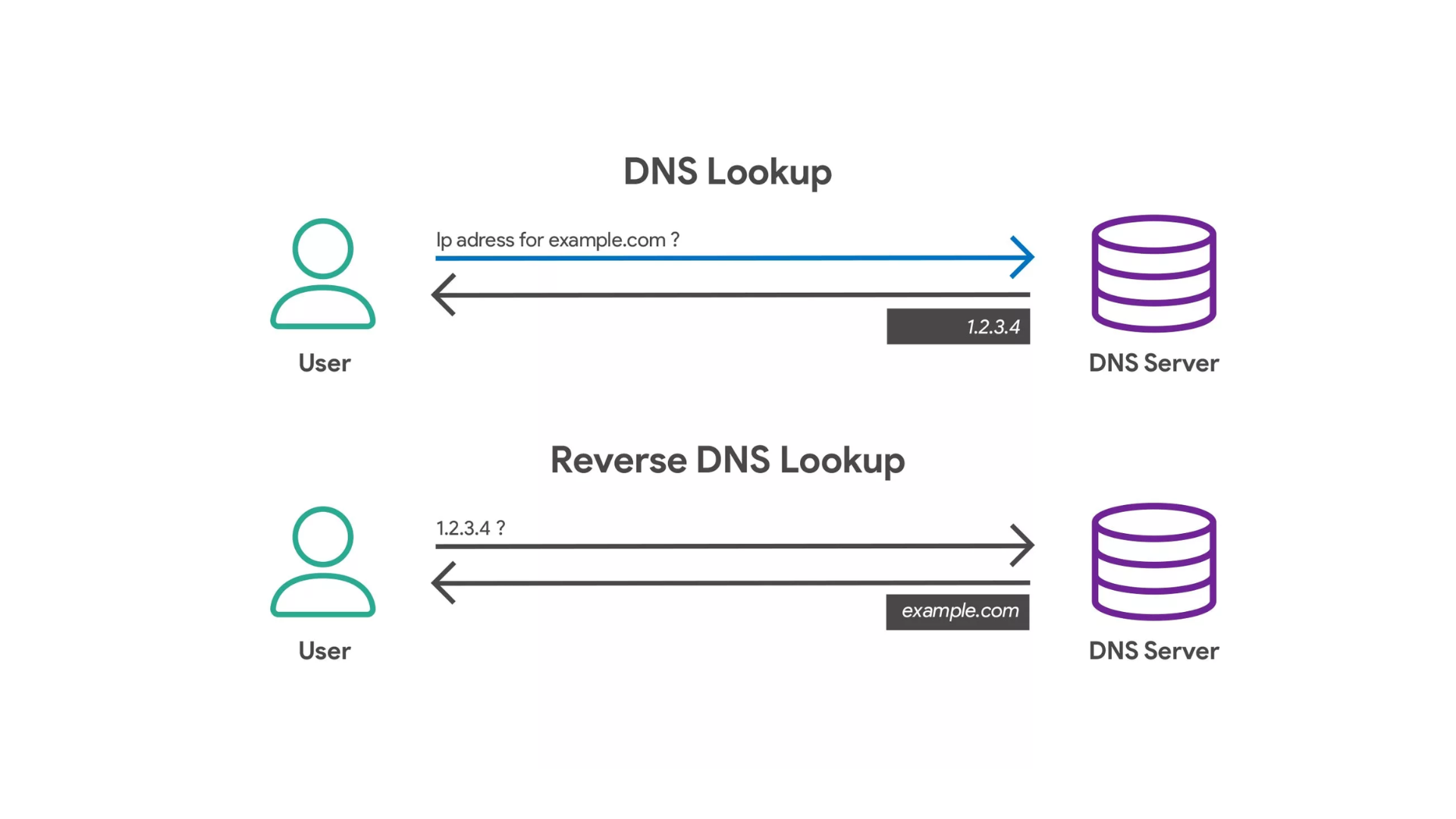
In simple terms, a reverse DNS lookup is a process that helps to find the domain name associated with an IP address. If you’ve ever wondered who owns a specific IP address or wanted to know more about a website based on its IP, then reverse DNS lookup is the tool you would use.
In this article, we’ll break down the process in a way that everyone can understand, using clear language and examples.
What is DNS?
Before diving into reverse DNS, let’s quickly understand DNS, or Domain Name System. DNS is like the phonebook of the internet. It translates easy-to-remember domain names like google.com into IP addresses, which are unique strings of numbers (like 172.217.14.206) that computers use to identify each other on the internet.
For example:
- You type
google.cominto your browser. - DNS translates that name into an IP address, and your computer connects to Google’s server using that IP address.
How Does Reverse DNS Lookup Work?
A reverse DNS lookup works just the opposite. Instead of turning a domain name into an IP address, it takes an IP address and finds out which domain name it corresponds to.
Here’s how it works step-by-step:
- You have an IP address: Let’s say you have an IP address like
172.217.14.206. - You perform a reverse lookup: You use a reverse DNS lookup tool to query the IP address.
- You get a domain name: The tool looks up the IP and returns the associated domain name, for example,
google.com.
Why Would You Use Reverse DNS Lookup?
Reverse DNS lookups are useful for several reasons:
1. Security Checks
- Spam Prevention: Many email servers use reverse DNS to verify if an email is coming from a trusted domain. This helps prevent spam or phishing emails from reaching your inbox.
2. Troubleshooting
- Diagnosing Problems: If a server is misbehaving or acting suspiciously, you can use reverse DNS to track the domain name tied to the IP. This can help identify the problem or even catch malicious actors.
3. Web Analytics
- Identifying Traffic Sources: Website owners may use reverse DNS lookups to understand where their traffic is coming from, which can help with marketing strategies.
How to Perform a Reverse DNS Lookup
There are different ways you can perform a reverse DNS lookup. Here are a few simple methods:
1. Using Online Tools
- There are free websites where you can simply enter an IP address, and it will show you the corresponding domain name. Just search for “reverse DNS lookup tool” online, and you’ll find several options.
2. Using Command Line
- If you’re familiar with using a terminal or command prompt, you can use a command like
nslookupordigto perform a reverse DNS lookup.
For example:
- Open the terminal.
- Type
nslookup <IP address>. - Press Enter, and you’ll get the domain name.
3. Using Programming Languages
- If you’re a developer, you can also perform reverse DNS lookups within your code, using languages like Python or PHP.
Limitations of Reverse DNS Lookup
While reverse DNS lookup is useful, it does have some limitations:
1. Not All IPs Have a Reverse Lookup
- Not every IP address has a corresponding domain name. If a reverse DNS lookup doesn’t return any result, it simply means that the IP address isn’t linked to any domain.
2. Accuracy
- Sometimes, the information returned from a reverse lookup might not always be accurate. The domain name associated with an IP might not always match the website you’re expecting.
3. Not Always Reliable for Security
- Although it can be helpful for security, reverse DNS isn’t foolproof. Malicious actors can still fake their domain names, which is why reverse DNS is usually combined with other security measures.
Conclusion
A reverse DNS lookup is a helpful tool that allows you to trace the domain name behind an IP address. It’s used in many different areas, including security, troubleshooting, and web analytics. While it’s easy to use and can provide valuable information, it’s important to remember that not all IP addresses will have a domain name linked to them, and the results aren’t always guaranteed to be 100% accurate.
sekolah tinggi ilmu kesehatan ukpm
kebidanan mitra sejahtera jakarta
akademi analis kesehatan muhammadiyah surabaya
akademi kesehatan lingkungan sumsel
akademi kebidanan arta kabanjahe
akademi kebidanan nusantara medan
akademi kebidanan delhus delmed
akper harapan mama deli serdang
akademi kebidanan bunga bangsa aceh